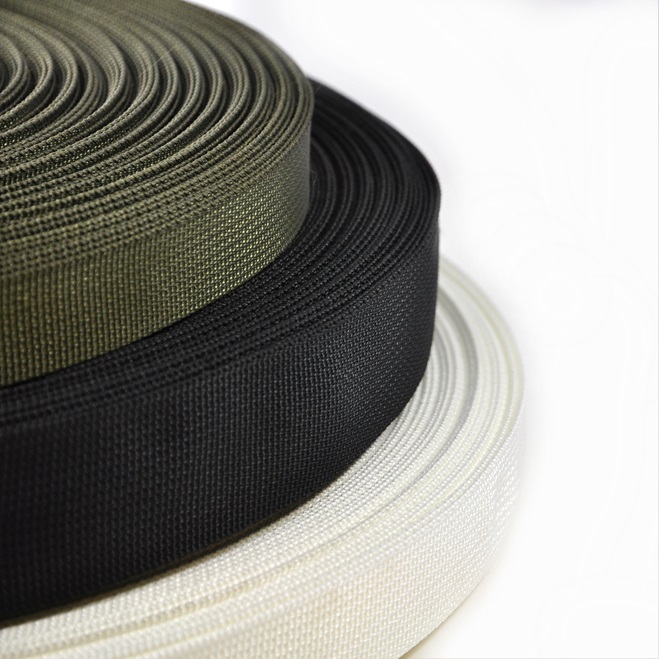
The weaving products for the aeronautical, aerospace and military sectors is an essential process for manufacturing textile parts adapted to aviation requirements. From safety straps to stowage nets and protective tapes, each product must meet strict constraints of lightness, strength and reliability. In a sector where safety is paramount, the quality of the weave and materials used has a direct impact on in-flight performance, passenger comfort and equipment longevity.
A variety of materials for tailor-made solutions
Natural and synthetic fibers
Aeronautical weaving professionals know how to process a wide range of fibers:
Natural fibers (linen, cotton...): preferred for their suppleness and eco-friendliness.
Synthetic fibers (polypropylene, polyester, polyamide...): wear-resistant, they can withstand heavy loads while remaining lightweight.
Technical fibers (aramid, glass, Nomex®): offer high thermal protection and excellent mechanical properties.
This diversity of materials enables us to design straps and tapes perfectly adapted to aeronautical needs, whether for indoor use (belts, fastening straps) or outdoor use (strapping, lashing).
Specialized treatments
Textiles used in aeronautics often undergo specific treatments to reinforce their resistance:
Flame-retardant (FAR25835): limits the spread of flames.
Hydrophobic or PTFE: repels water and oils for easier maintenance.
Anti-smoke and reduced toxicity (ABD0031): guarantees greater passenger protection in the event of an incident.
IR reflectance: useful for certain military applications or radar discretion.
Thanks to these finishes, straps and tapes retain their properties even in extreme conditions (cold at altitude, heat on the tarmac, humidity in the hold...).
A wide range of woven products
Nets and elastics
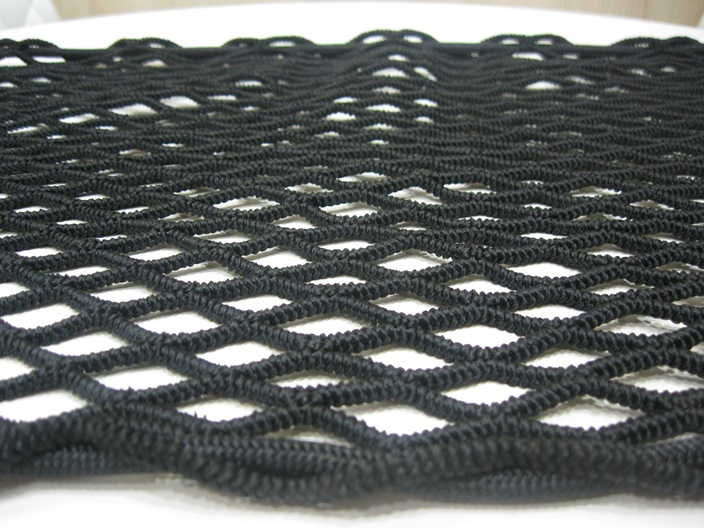
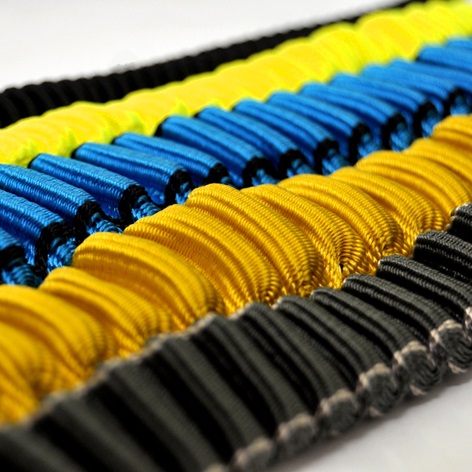
Nets are used to secure freight or organize storage spaces, while elastics hold sensitive materials firmly in place. The weave has to withstand variable tensile forces, while retaining the flexibility required for practical everyday use.
Ribbons and straps
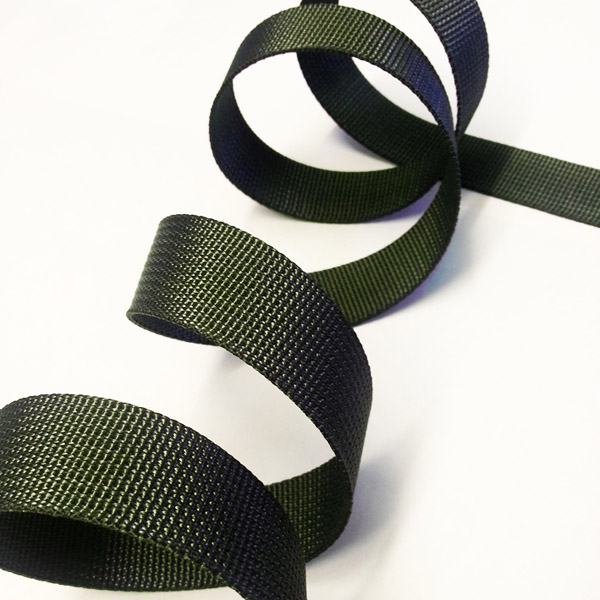
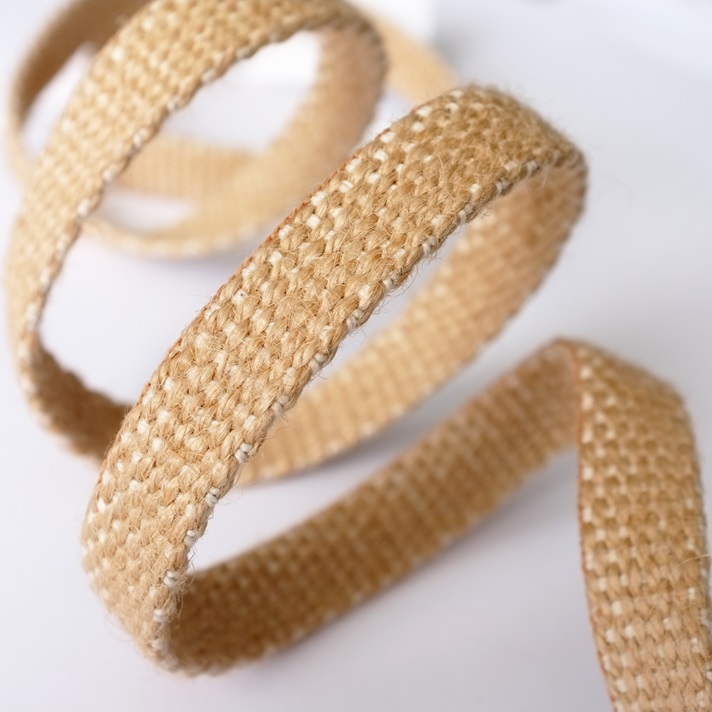
Tapes are used for protection and visual marking, while straps are available in :
Natural fibers (linen, cotton, jute): ideal for specific needs or a more traditional look.
Synthetic fibers (polyamide, polyester, polypropylene): designed to resist tension, friction and weathering.
These straps can be found both in the structure of aircraft seats and in applications such as securing loads or installing safety systems.
Applications and challenges
Aeronautical weaving covers a wide range of uses: passenger belts, cargo strings, thermal or electromagnetic insulation sheaths... The constant lightening of aircraft, the prevention of fire hazards, and maintaining compliance with international standards (FAR, EASA, FAA) all represent challenges to be met when designing these products. Each weaving batch undergoes rigorous quality control, guaranteeing the traceability and reliability of the parts.
Conclusion
Mastering aeronautical weaving means combining traditional know-how (loom, choice of fibers) with advanced technologies (flame-retardant treatments, high mechanical resistance). Whether for nets, elastics, ribbons or straps, woven solutions meet the requirements for lightness and strength that are essential in aeronautics. In this way, manufacturers and airlines ensure passenger safety and comfort, while optimizing aircraft performance in flight.