
A hydrogen fuel cell produces electricity through a chemical reaction involving oxidation and gases.
A membrane fuel cell consists of:
- Bipolar plates to distribute hydrogen and oxygen and remove water.
- Two electrodes to allow electric current to flow.
- A membrane that blocks electrons while allowing protons to pass through.
- Catalysts that enhance the reaction between the gases.
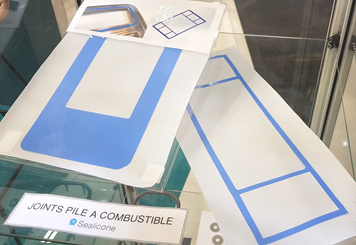
- Gaskets or membranes that provide sealing between the different components.
These gaskets or membranes require excellent thickness consistency, very low thickness and extremely tight thickness tolerances.